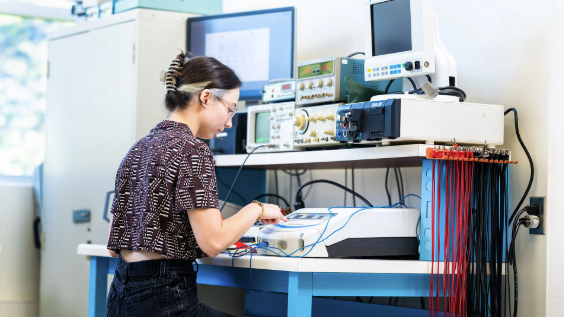
Bioengineering and technology sit at the intersection of biology, engineering, and computation. They enable precise control of living systems, rapid prototyping, and modular interfaces that speed collaboration. Real-world impact emerges through translational processes, rigorous evaluation, and mindful governance. Ethical considerations, safety, regulation, and equity shape progress as much as capability does. The field invites careful scrutiny and ongoing assessment, inviting stakeholders to evaluate trade-offs, align with societal needs, and anticipate tomorrow’s consequences.
What Bioengineering Is and Why Tech Matters
Bioengineering integrates principles from biology, engineering, and computation to design systems that apply biological knowledge to practical problems. It translates natural processes into engineered solutions, emphasizing relevance, ethics, and scalability.
The field rests on bioengineering fundamentals and collaborative practice, where teams pursue shared goals.
Tech collaboration accelerates translation, fosters interdisciplinary dialogue, and aligns research with societal needs and responsible innovation.
Breakthrough Tools Linking Biology and Engineering
The convergence of biology and engineering has produced a suite of breakthrough tools that enable precise manipulation, analysis, and design across living systems. These instruments enable controlled gene circuits, rapid prototyping, and modular interfaces, fostering cross-disciplinary collaboration.
Their synergy design accelerates discovery and validation, while innovation scaling translates lab concepts into robust platforms, protocols, and scalable workflows, supporting open, freedom‑driven exploration.
Real-World Solutions: From Labs to Daily Life
The discussion emphasizes interdisciplinary collaboration, translational processes, and rigorous evaluation, linking discovery to safe implementation.
Bioethics debates surface alongside regulatory considerations, while lab to market pathways are examined for transparency, equity, and responsible innovation across diverse communities.
Navigating Ethics, Regulation, and Future Frontiers
As advances in bioengineering move from laboratory insights toward broader societal impact, attention turns to the ethical, regulatory, and forward-looking dimensions that shape responsible progress.
This discussion notes bioethics oversight, regulatory compliance, and market adoption as interconnected pillars, while public engagement informs risk assessment and governance.
The aim is transparent, interdisciplinary evaluation guiding sustainable innovation and informed freedom for diverse stakeholders.
Frequently Asked Questions
How Does Bioengineering Affect Employment and Job Creation Today?
Bioengineering employment expands through diverse sectors, driving job creation via startups, research institutions, and manufacturing ecosystems. It fosters interdisciplinary collaboration, enhances skills demand, and reshapes labor markets, with steady growth contingent on policy support, funding stability, and ethical innovation practices.
What Are Common Misconceptions About Bioengineered Foods?
Common myths surround bioengineered foods, with satirical swagger aside, yet safety concerns are addressed scientifically: transparency, rigorous testing, and interdisciplinary oversight debunk myths while clarifying benefits, risks, provenance, and regulatory rigor for audiences seeking informed freedom.
Can Personal Bioengineering Projects Be Safely Pursued at Home?
Personal bioengineering projects should not be pursued at home due to safety concerns; rigorous oversight is required. The analysis emphasizes bioengineering safety and home tinkering ethics, highlighting risks, responsible practices, and the need for regulated, interdisciplinary guidance.
See also: Big Data Architecture Explained
How Do We Compare Costs of Different Bioengineering Therapies?
Cost comparison reveals that therapy pricing hinges on efficacy, durability, manufacturing, and access. Costs vary with individualized regimens and insurers. Theoretical accuracy persists only when outcomes align with evidence; thus, rigorous evaluation guides transparent cost comparison for therapies.
What Skills Best Prepare Someone for a Bioengineering Career?
The best preparation encompasses rigorous fundamentals in mathematics, biology, and engineering, plus hands-on problem solving. Skills mapping clarifies individual strengths, while interdisciplinary collaboration develops adaptability, communication, and systems thinking essential for autonomous, freedom-oriented bioengineering pursuits.
Conclusion
Bioengineering, at the intersection of biology, engineering, and computation, translates fundamental science into scalable solutions. Breakthrough tools enable precise gene control and rapid prototyping, accelerating real-world impact from clinics to communities. A notable statistic: investments in biotech and digital health now exceed $100 billion annually, signaling rapid convergence and adoption. If guided by transparent governance and inclusive public engagement, this interdisciplinary field can deliver equitable, safe innovations that address pressing societal needs while strengthening ethical standards and accountability.